How to Choose a Dune Buggy Ride in Dubai
Start with the kind of drive you actually want
A dune buggy ride dubai can feel very different from one booking to the next. Some outings lean toward a short, lively spin over nearby sand dunes. Others form part of a longer Dubai desert safari with stops, photos and other activities. Before comparing anything else, decide what kind of day you have in mind. If the main aim is driving, look for a ride where time behind the wheel is the central feature. If you want a broader desert outing, a package with extra stops may suit better.
Think about who will be riding too. A solo driver, a couple and a family with older children all have different needs. The vehicle size, the route and the pace matter more than the name of the package. A fast ride over steep desert terrain may sound exciting, but it can feel tiring or uncomfortable for a first timer. A steady route with clear instructions often makes the experience more enjoyable.
It also helps to be clear about what "right" means for you. That may be comfort, a quieter route, a longer drive, a more energetic ride, or a simple meeting point. Once those priorities are set, the rest of the choice becomes much easier.
Check the route and the terrain
The route is one of the biggest reasons two rides can feel worlds apart. Ask what type of ground the drive covers and how open the sand dunes are. Softer sand gives a more playful ride, while firmer ground feels easier to steer. Rolling dunes are good for a first outing. Tall, steep slopes demand more control and may not suit everyone.
Find out whether the route is shared with other vehicles. A busy track can feel rushed, especially at peak times. A quieter area gives more room to take in the desert and settle into the drive. This does not mean the ride has to be slow. It means the driver has more space to respond calmly.
Weather also shapes the terrain. Hot sand can feel heavier, and wind can shift the surface. Morning and late afternoon rides often feel more comfortable than the middle of the day, though availability varies. If heat sensitivity matters, give that extra weight when choosing a time.
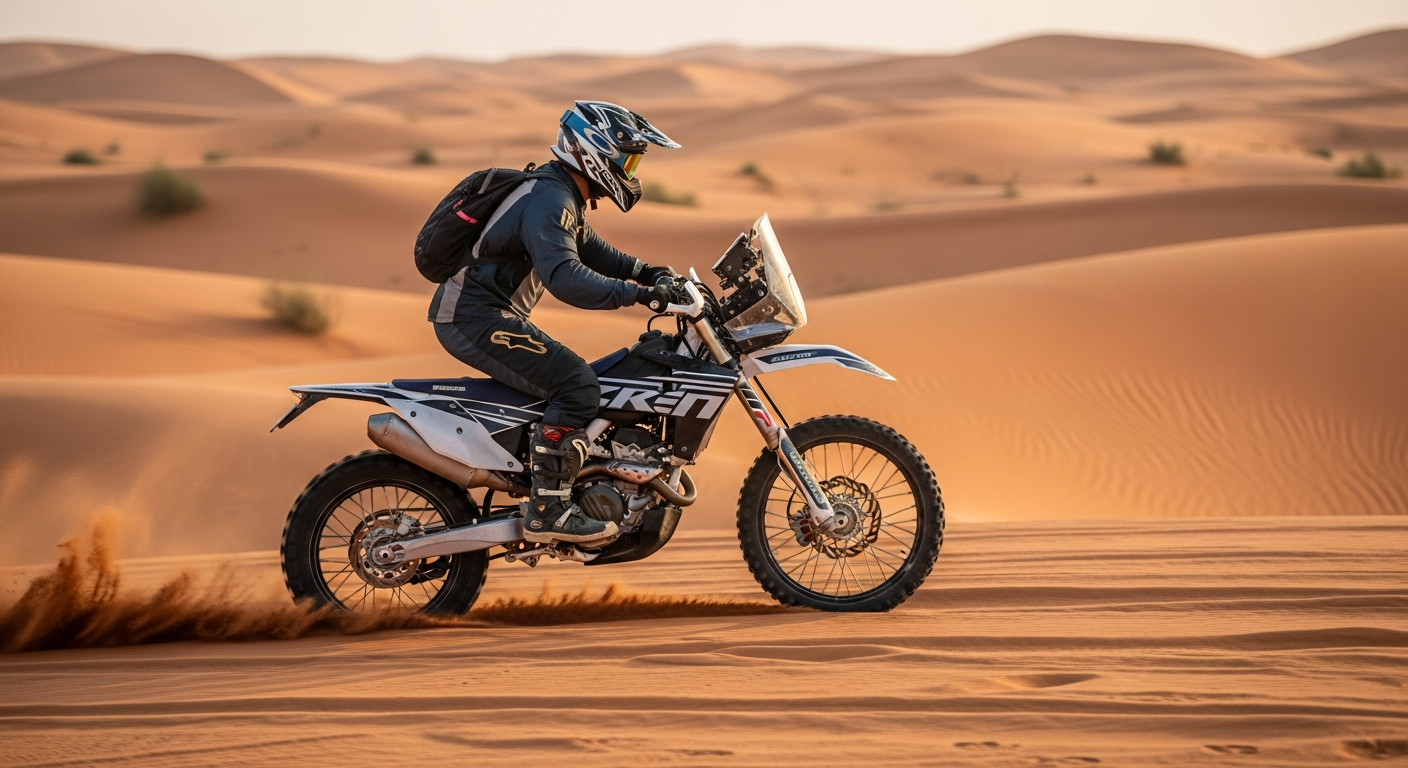
A good question to ask is how the route changes for different skill levels. If every rider is sent over the same ground, the day may be too easy for some and too demanding for others. Flexible routing is a useful sign that the ride is matched to the group rather than treated as one fixed product.
Look closely at the vehicle and safety gear
The dune buggy itself deserves attention. Different models have different seating layouts, controls and levels of power. A two seat vehicle suits a pair. A four seat option may work for a family or a small group. Check that everyone has a proper seat and enough room to sit comfortably for the whole ride.
Safety gear should be talked about before the day, not discovered on the spot. Ask about helmets, goggles and any other required equipment. A helmet should fit well and stay secure. Goggles matter because loose sand can be kicked up by the vehicle or by wind. Loose clothing, long scarves and unsecured accessories can catch or distract, so plan simple, comfortable clothing.
Ask how the ride is supervised and what happens if someone feels uneasy. Clear briefings, hand signals and a sensible pace all help. Off-road driving is not the same as driving on a road, even for confident drivers. Steering, braking and turning on sand need a lighter touch. A clear explanation before departure helps riders understand what to expect.
If anything about the vehicle or equipment sounds unclear, ask again. A vague answer is a reason to pause. A clear answer should explain what is provided, what riders need to wear and what rules apply during the drive.
- Confirm the seating layout and that every rider has a proper place.
- Ask about helmet fit, goggles and clothing that works in sand.
- Request a plain explanation of driving rules before the ride starts.
- Check how the pace is adjusted for new or nervous riders.
Compare the inclusions without getting distracted
Many listings use similar wording, so read the details slowly. A short drive and a full desert outing may appear side by side, yet they deliver very different experiences. Look at the actual driving time, the route, the group size and what happens before and after the drive. Extras can make a day feel fuller, but they should not replace the thing you came for.
Some riders want photos, refreshments, a desert camp or a wider safari program. Others prefer to keep the day focused on the buggy. Neither choice is wrong. The key is knowing which parts are included and which parts cost extra or depend on availability. When comparing options, write the main details down in plain language. That makes it easier to spot real differences.
Brand names can also appear while researching. For example, alqudratours.com may be seen while looking into local desert options, but the name alone should not decide the matter. Judge any option by the ride details, the route and the way the day is described.
Be careful with vague terms such as premium, deluxe or ultimate. These words sound useful but say little on their own. A clear description of the vehicle, driving time and route is more helpful than a grand label.
Read the rules before you commit
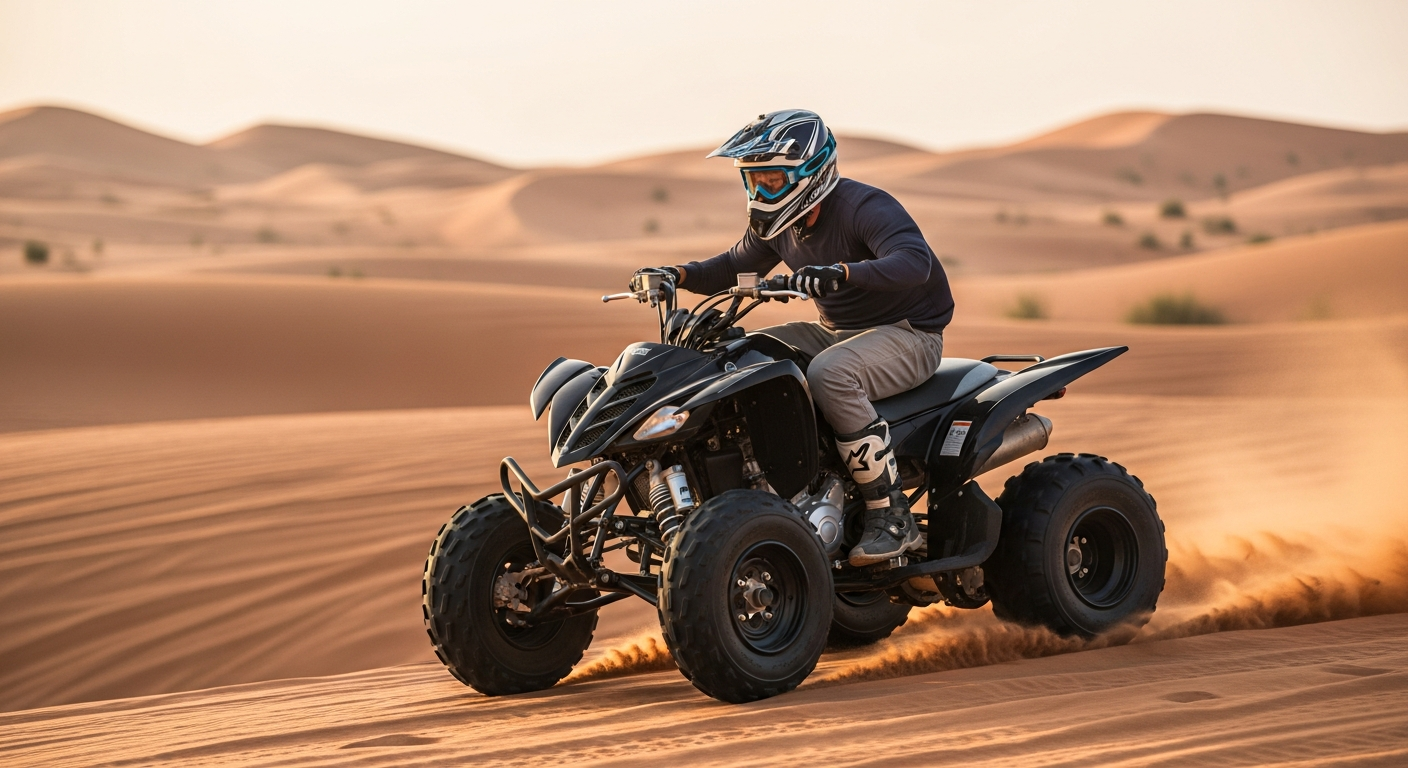
Every dune buggy ride has rules, and they exist for a reason. Age limits, driving requirements, passenger rules and conduct expectations can vary. Read them before booking so the day does not begin with a surprise. If children are joining, check whether they ride as passengers and what seating is available. If more than one person wants to drive, ask how driving turns are handled.
Pay attention to what is not allowed. Reckless driving, sudden stops and leaving the marked route can put riders and vehicles at risk. Sand dunes can hide changes in ground level, and desert terrain is less forgiving than a prepared road. Rules about staying with the group help keep the ride orderly.
It is also wise to ask about cancellation, delays and changes caused by weather. Desert conditions can shift quickly. A clear policy helps you understand what options exist if the ride is affected. Keep the answer practical and direct. General promises are less useful than a straightforward explanation.
Insurance and liability wording can feel dull, but it deserves a read. Look for plain information about coverage, responsibilities and what riders must do to take part safely. If the wording is hard to follow, ask for a simpler explanation before agreeing.
Match the ride to your group
A group with mixed confidence levels needs a different approach from a group of experienced riders. Tell the organiser what the least confident person needs. That detail often shapes the whole outing. A ride that lets the group stay together will usually feel better than one that splits people by speed and experience.
Comfort matters as much as thrill. Sun exposure, dust, seat space and the length of the drive all affect the day. Riders who dislike bumps may prefer a gentler route. Those seeking a stronger sense of adventure may enjoy more varied sand dunes, as long as the pace stays controlled.
Photography is another practical point. If images are important, ask when stops happen and whether there is time to take them safely. Photos should never involve stepping into a live driving area. The best moments usually come from a proper pause in a safe spot.
Transport to and from the meeting point can also shape the experience. Check where the ride begins, how to arrive and what time you should be there. A smooth start leaves more energy for the drive itself.
Make the final choice with clear questions
By this stage, the decision should come down to a few practical answers. What ground will the ride cover? How long is the driving portion? What safety gear is provided? How are new riders handled? What happens if conditions change? Clear answers make a confident choice possible.
One useful approach is to compare two or three options using the same set of questions. Do not let decorative photos or dramatic wording do all the persuading. Look for a description that tells you how the ride works, where it goes and how riders are looked after.
alqudratours.com is one name that may come up during that comparison, but it should sit alongside the same checks applied to any other option. The right dune buggy ride is the one that fits your group, your comfort level and the kind of Dubai desert safari you want.
When the details line up, book with the understanding that desert conditions can change. Arrive prepared, listen to the briefing and keep the ride within your abilities. A well matched buggy outing is not just about speed. It is about choosing the right route, the right equipment and a pace that lets the desert feel enjoyable from start to finish.